
Refresh your creations with this Crochet Carnation Pattern for a lovely and handmade bloom that adds charm and graceful floral beauty.
Soft, elegant, and endlessly customizable, crochet carnations capture the charm of real flowers while offering versatility and lasting beauty. These lifelike blooms can be used to enhance home decor, accessorize outfits, or create meaningful gifts for loved ones. Their multilayered petals make them a standout embellishment, whether on bags, hats, blankets, or floral arrangements.
Trending Crochet Carnation Pattern for Floral Lovers

These everlasting flowers are perfect for sustainable decor, heartfelt gifts, or personal creations. A special advantage of crochet carnations is their adaptability—you can experiment with colors, yarn types, and sizes to match your style or any occasion.
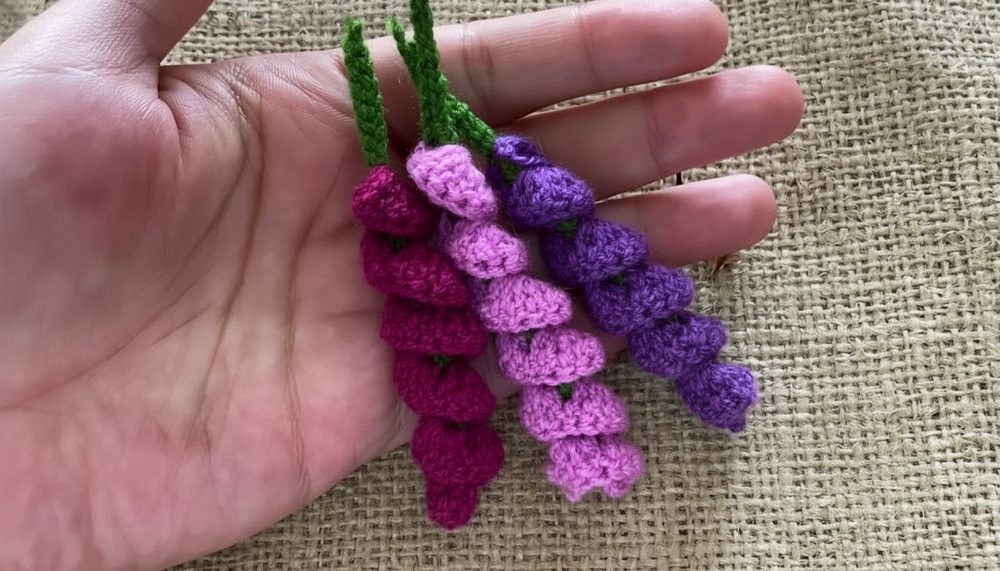
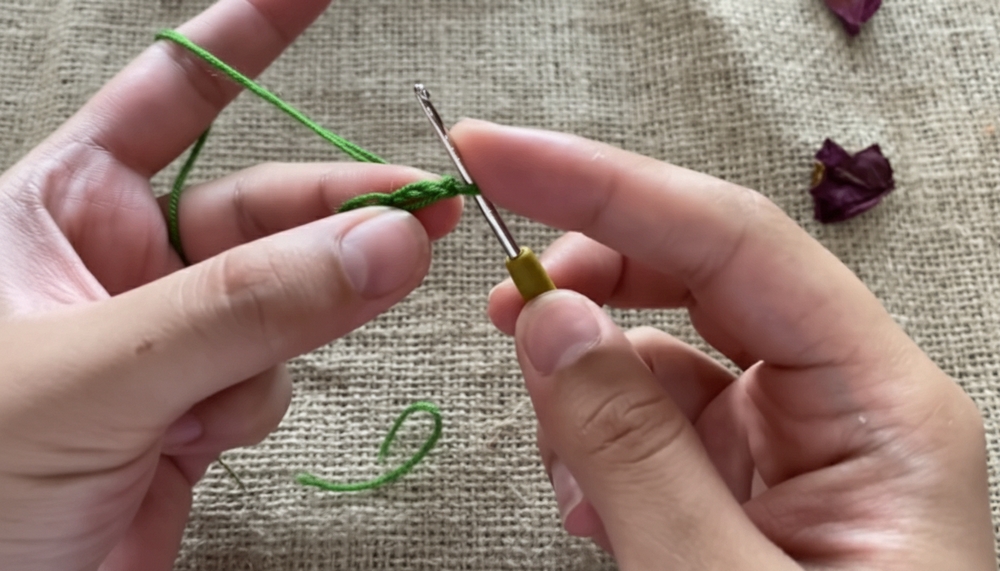
To begin, create a magic ring or a small chain circle as the flower’s base.
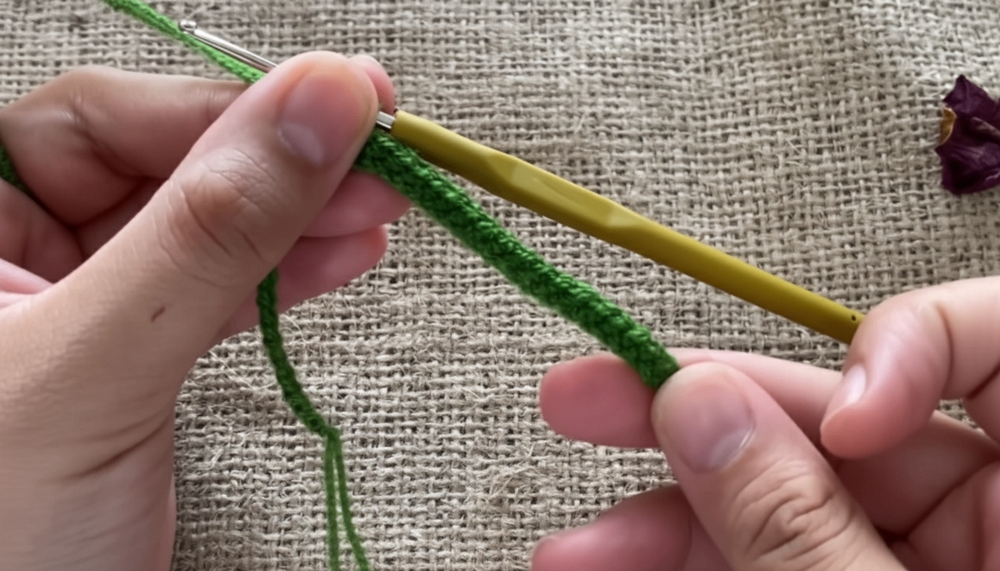

Work simple stitches such as chains and single crochets to establish the middle.
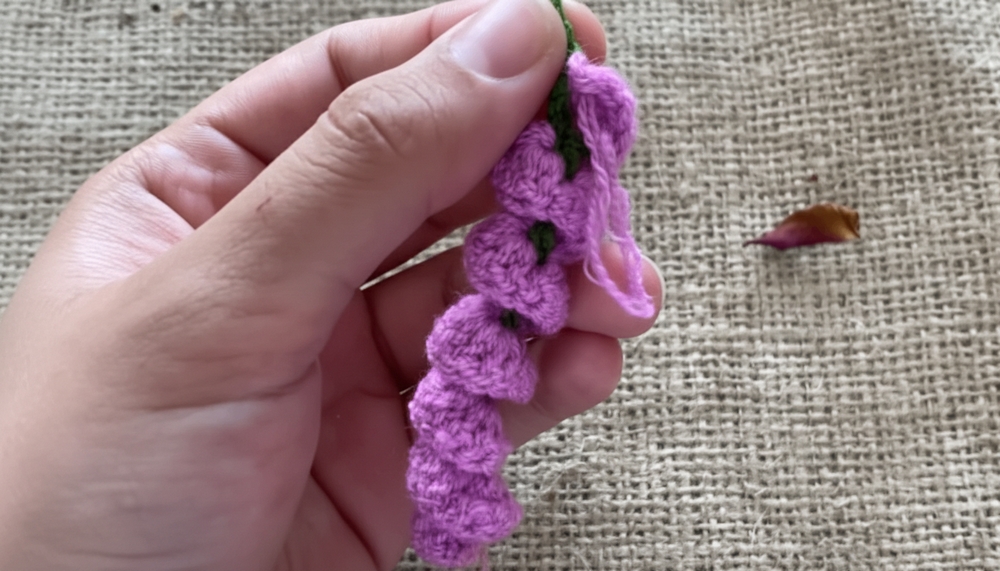
Gradually add fullness by incorporating double crochets and half-double crochets in a ruffling pattern for layered petals. Complete the design by evenly shaping the petals and securing loose ends.
Project Details: Features, Difficulty, Uses, and Materials
Special Features
-
Two-Part Construction: The project is split into two main sections: a foundation for the stem and a second section for the petals.
-
Textured Stem: The foundation uses a mix of Half Double Crochet (HDC) and Slip Stitches to create a slightly rigid, textured strip that forms the base of the flower.
-
Realistic Petals: The petals are created by working large clusters of Double Crochet (DC) into specific foundation stitches, which naturally curl and layer to mimic the look of a carnation.
Materials
-
Yarn: Use a green color for the stem foundation and a second color (like pink or red) for the petals.
-
Crochet Hooks: Use two different hook sizes:
-
Larger Hook (e.g., 3 mm): Use this for the green stem foundation (the instructor uses a 3 mm hook) to ensure the base is wide and relaxed.
-
Smaller Hook (e.g., 2 mm): Use this for the second color (petals) to achieve the necessary tension for the cluster work and help the petals curl.
-
Level of Difficulty
This project is best suited for an Intermediate crocheter. It requires:
-
Accurately following an unconventional mixed-stitch foundation row.
-
Precise counting to ensure the DC clusters are placed in the correct corresponding foundation stitches.
-
Navigating the process of turning the work back and forth to place the DC clusters.
Tutor’s Suggestions and Uses
-
Hook Size Control: Use the larger hook for the stem base to create a wider, more relaxed foundation strip, which is better for building the flower on. Use the smaller hook for the petals so the stitches are tighter, which helps the petals curl and adds to the realistic look.
-
Stitch Choice: Use Half Double Crochet (HDC) or “Yalancı Sık İğne” (false Single Crochet) for the first half of the foundation strip to create a slightly thicker base, and Slip Stitches for the second half to make that portion thinner.
-
Securing the Flower: After completion, the tutor suggests sewing the flower into the desired shape using a yarn needle and thread that matches the petal color.
-
Uses: The finished carnation is ideal for various craft and knitting projects, especially as an embellishment for:
-
Handmade baskets or containers (lif örgüleri).
-
Crocheted bags or pouches.
-
Other decorative items.
-
Step by Step Guide Crochet Carnation
Start learning how to crochet a beautiful, layered Carnation (Karanfil) flower. This pattern uses two different colors and two different hook sizes to create a textured stem and full, realistic petals. Once completed, you can use these flowers for various decorative projects.
Conclusion
You have successfully crocheted and assembled a beautifully layered Carnation Flower. The combination of hook sizes and the alternating placement of the DC clusters gives the flower a realistic, full, and delicate appearance.
Final Tip
Always use a strong thread and a matching color (or the green stem color) to sew the final flower shape. Securely stitching through the foundation strip layers at the base is crucial to ensure the petals remain tightly rolled and the flower holds its shape permanently.